The energy transition in Europe and the Netherlands has entered a new phase. While the focus since the early 2000s was primarily on sustainability, affordability and security of supply have once again become urgent priorities. Geopolitical tensions, rising energy prices, and growing dependencies in international supply chains make clear that today’s energy system is under pressure across all dimensions.
In Synergies in the Dutch Energy Transition, the World Energy Council Netherlands demonstrates that sustainability does not have to come at the expense of affordability or security of supply. On the contrary, well‑designed sustainable interventions can create synergies between these three objectives of the energy trilemma.
From trade-offs to synergies
Traditionally, the energy transition has been framed as a set of difficult trade‑offs between sustainability, affordability, and reliability. This report introduces a renewed perspective, showing how sustainability can actively contribute to:
- Greater security of supply, by reducing dependence on imported fossil fuels through domestic renewable energy sources;
- Long-term affordability, as the societal costs of inaction — such as climate damage, health impacts, and geopolitical risks — prove to be higher than the investments required for the transition;
- Competitiveness and strategic autonomy, by strengthening sustainable industrial value chains and energy infrastructure in the Netherlands and Europe.
The Netherlands as a “canary in the coal mine”
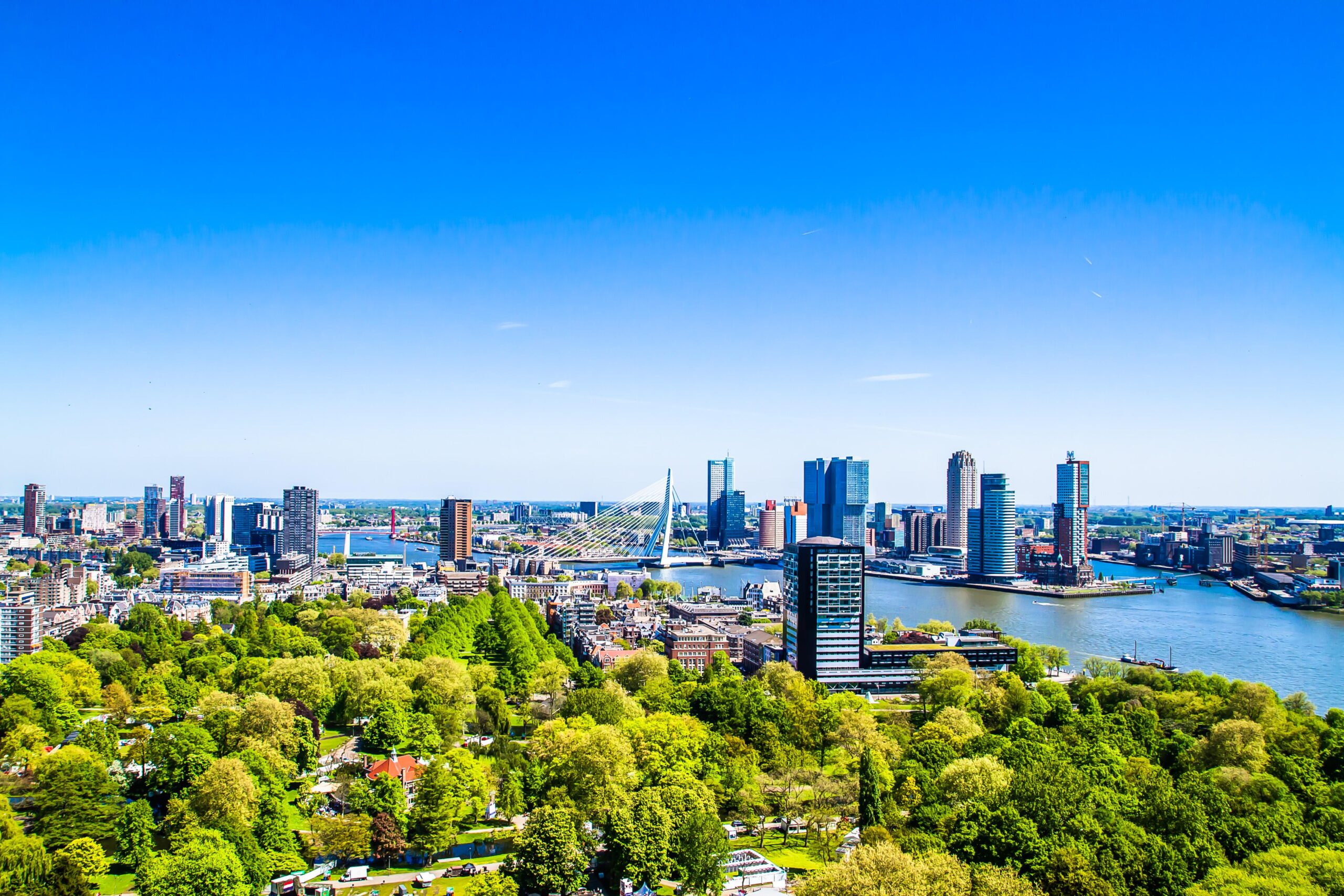
Due to its high energy intensity, relatively high energy prices, strong climate ambitions, and historic role as an energy hub, tensions in the energy system tend to surface earlier in the Netherlands than elsewhere in Europe. At the same time, this positioning offers a unique opportunity to lead the way in solutions that deliver benefits across multiple objectives simultaneously.
Five themes with multi-dimensional impact
The report identifies five clusters of interventions that offer clear synergies between sustainability, affordability, and security of supply:
- Addressing the variability of renewable energy
By increasing flexibility on the demand side and adding complementary forms of flexible supply, the energy system can become more stable and reliable. - Creating green and low‑carbon demand
Governments, supported by the right infrastructure, can stimulate demand for green energy and low‑carbon products, enabling scalable and viable sustainable business models. - Diversifying energy supply
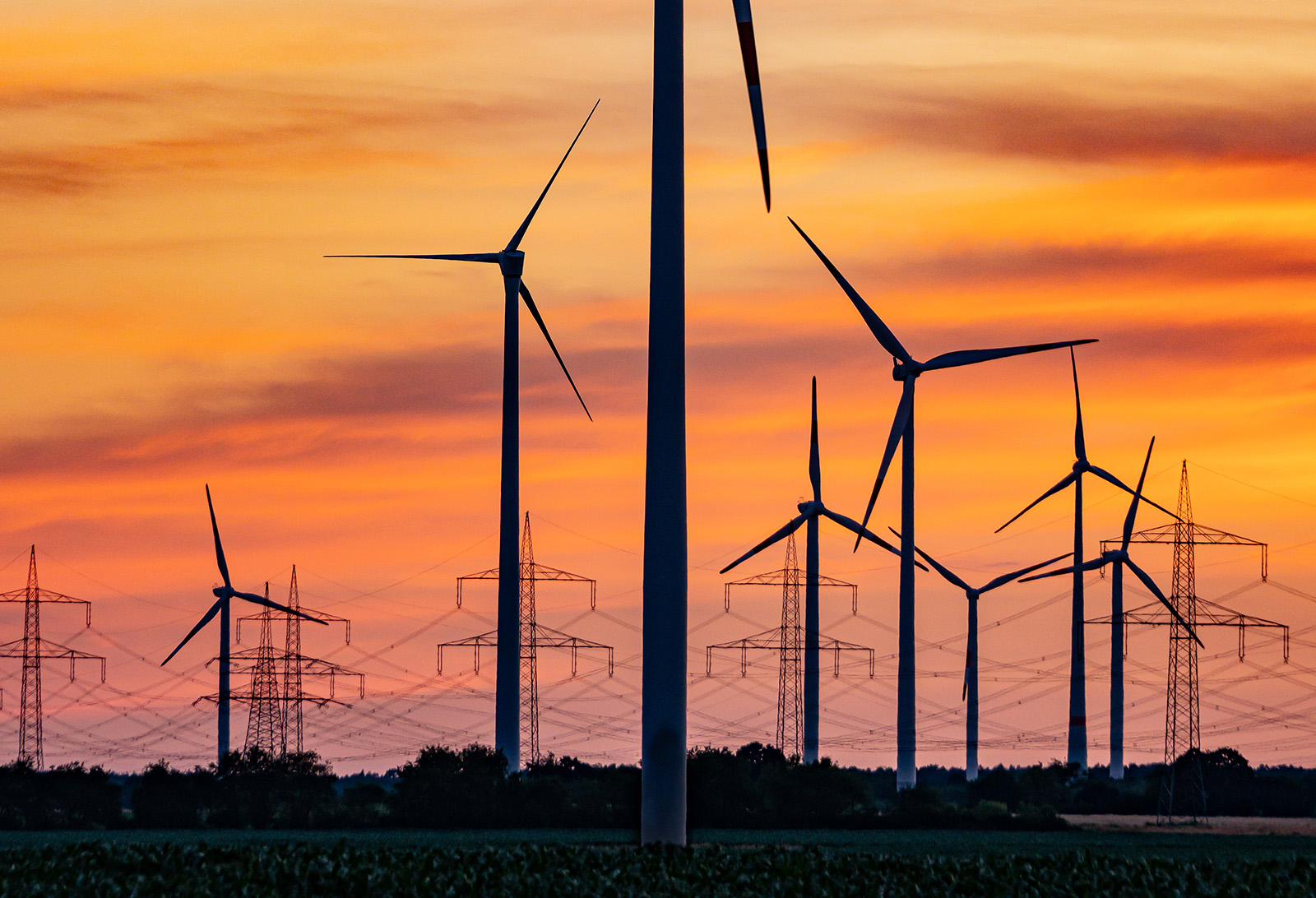
Using a broader mix of green energy sources — such as wind, solar, and biogas — enhances the robustness and resilience of the energy system. - Improving energy efficiency for households
Investments in insulation, heat pumps, and electric mobility can structurally reduce energy consumption and energy bills. - Decarbonising industry while remaining competitive
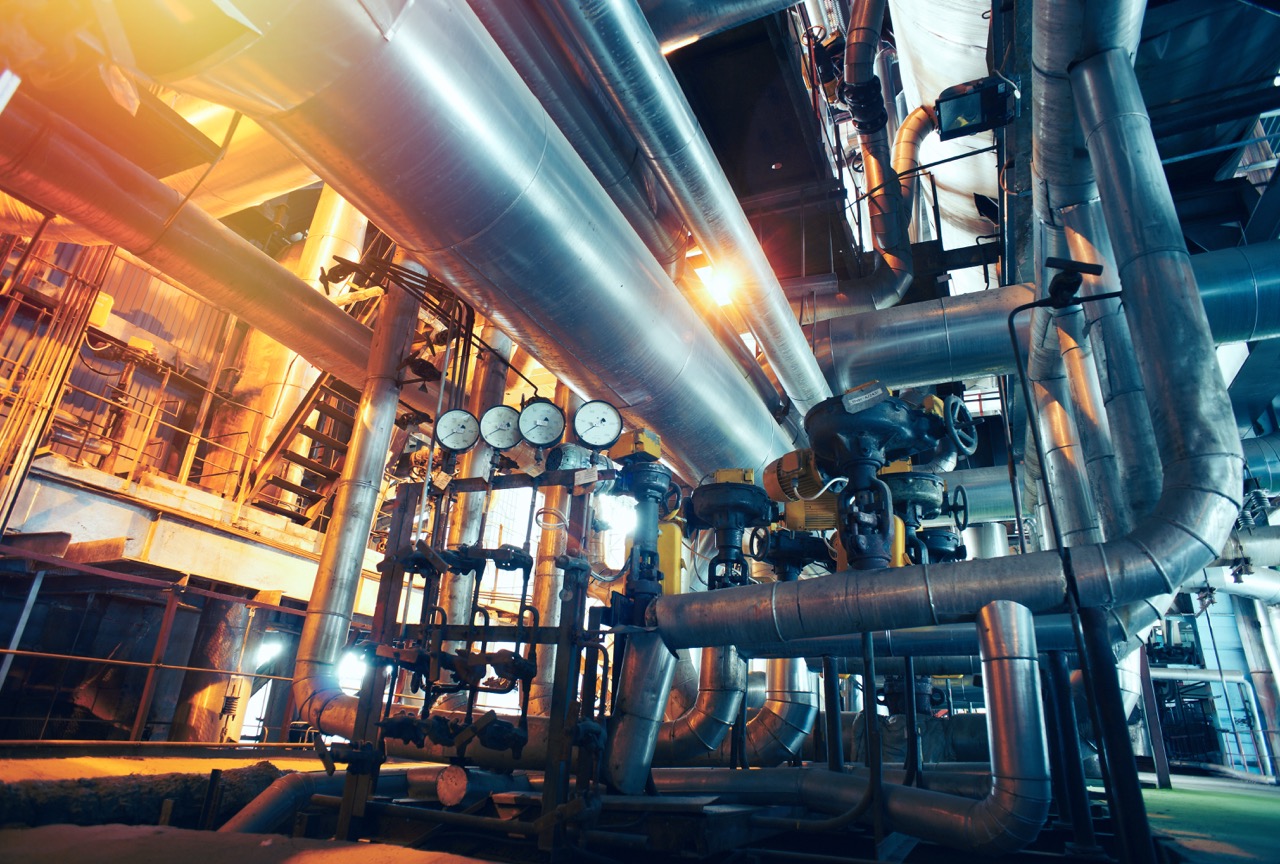
Smart combinations of electrification, hydrogen, CCS and cooperation within industrial clusters enable CO₂ reduction while preserving economic activity and jobs.
A new narrative for the energy transition
The central message of the report is that the energy transition is no longer solely a climate-driven agenda. By explicitly identifying synergies and managing trade‑offs early and transparently, the transition can be placed on a stronger societal and economic footing.
This enables a new narrative: an energy transition that not only addresses climate change, but also delivers affordable energy, a resilient economy, and greater strategic autonomy for the Netherlands and Europe.
Receive report
Would you like to receive the full report? Then please leave your details below. You will receive a link by email to download the full report.